
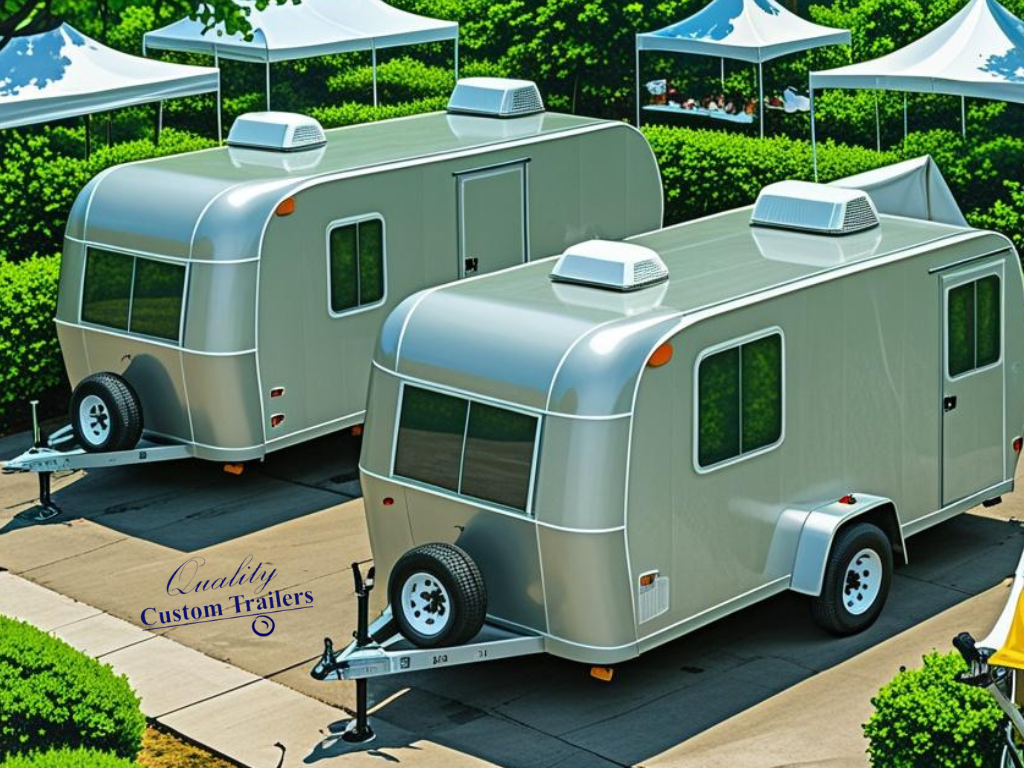
A trailer works best when its design matches the load, tow vehicle and way it will be used. This is especially important when a standard model does not provide the right space, access or carrying capacity.
Custom trailers can support many different purposes. They may carry trade tools, landscaping equipment, motorbikes, machinery, recreational gear or products for a mobile business.
However, a unique appearance does not automatically make a trailer practical. The finished build must also remain safe to tow, easy to load and suitable for registration.
The planning stage should therefore begin with real tasks and measurements. This guide explains how to prepare a useful brief, compare design options and choose a suitable builder.
A custom trailer should solve a clear transport or storage problem.
Before discussing colours, doors or accessories, describe what the trailer must carry. Also explain how the load will be secured and unloaded.
This information helps the builder plan the body, chassis, axles and access points around real use.
Describe the Main Load and How It Will Be Used
Start with a clear list of the main items that will travel in the trailer.
Record the size and approximate weight of each important item. This may include machinery, toolboxes, motorbikes, mowers, generators or display equipment.
Next, consider how often the trailer will be used. Daily trade work may require fast access to tools. Occasional transport may place more importance on flexibility and storage.
The loading method also matters. Heavy wheeled equipment may need a ramp or rear door. Long materials may need roof racks, side access or an extended drawbar.
Think about the order in which items will be removed. Equipment used several times each day should not sit behind rarely used items.
A good custom trailer design should reduce lifting, climbing and unnecessary unloading.
Consider Future Equipment and Changing Needs
A trailer may remain in use for many years. Your tools, equipment or business may change during that time.
Allowing some flexibility can make the trailer more useful later. Removable shelves, adjustable tie-down points and modular storage may help.
However, more space and capacity also add weight and cost. Building a much larger trailer than needed may create towing and storage problems.
A balanced approach is usually better. Plan for realistic growth without adding features that have no likely purpose.
When looking at custom made trailers, ask how easily storage or fittings can be changed in the future. Any modification must still suit the trailer structure and legal limits.
Match the Trailer to the Tow Vehicle
The towing vehicle should influence the design from the beginning.
A trailer may be well built but still be unsuitable if its loaded mass exceeds the vehicle’s limits. The towbar, tyres and other vehicle ratings also matter.
Always use the vehicle manufacturer’s information rather than relying on a general claim about towing power.
Check Towing Limits Before Planning the Build
Find the towing limits for the exact vehicle model and configuration.
Important figures may include braked towing capacity, unbraked towing capacity, gross combination mass and maximum towball load. The wording can differ between manufacturers.
The planned trailer must remain within every relevant limit when fully loaded.
Do not base the design only on the trailer’s empty weight. Tools, spare wheels, water tanks, batteries, ramps and accessories all add mass.
A larger tow vehicle does not remove the need for careful checking. Accessories and passengers can also affect the available vehicle payload.
Ask the builder how the proposed design relates to your tow vehicle. Final suitability should be confirmed using the vehicle and trailer specifications [VERIFY].
Plan Weight Distribution and Loaded Balance
Where weight sits can affect how the trailer behaves.
Heavy items should not simply be placed wherever space is available. Their position can affect towball load, axle load and overall stability.
The builder needs to understand the normal loaded arrangement. This helps with axle placement and storage design.
Frequently moved items also require secure restraint points. Loads should not shift during braking, cornering or travel over uneven roads.
Avoid planning every heavy item at the rear. This can reduce towball load and may affect towing stability.
At the same time, too much weight near the front can overload the towbar or rear axle of the vehicle.
The correct arrangement depends on the complete loaded setup. Ask the builder how the design supports suitable weight distribution.
Select the Right Trailer Structure
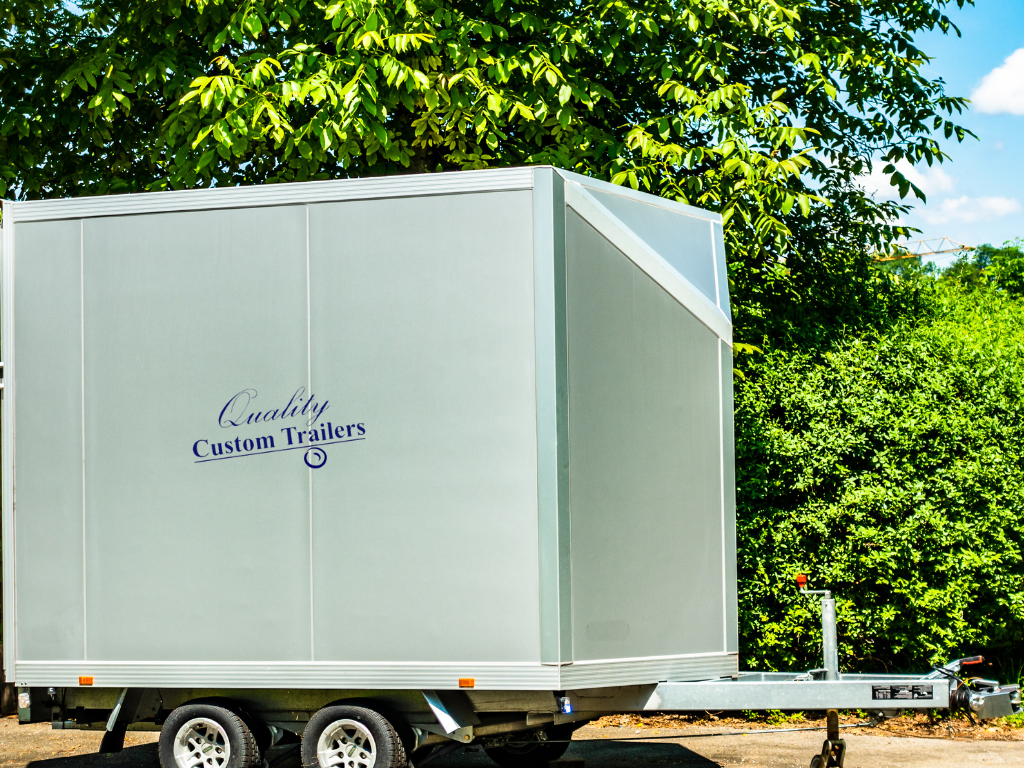
The main body style should suit the load and work environment.
An open trailer provides simple access. An enclosed design offers more protection and security. Specialised layouts can combine several access methods.
Each option affects weight, price and towing behaviour.
Compare Open, Enclosed and Specialised Layouts
Open trailers can suit landscaping, building materials and equipment that needs easy loading.
An enclosed custom trailer can protect tools or goods from rain, dust and public view. It may also provide space for shelving and internal lighting.
However, enclosed bodies add weight and create more wind resistance. Height and garage storage may also become concerns.
A partly enclosed layout may suit users who need both secure compartments and open loading space.
Unique custom trailers may also include side doors, lifting lids, fold-down benches or removable racks. These features should serve a clear purpose.
When comparing layouts, think about access from every side. A useful design should work in driveways, worksites and parking spaces, not only in an open workshop.
Choose Axle, Suspension and Braking Arrangements
Axle selection depends on the trailer size, load and intended use.
A single-axle trailer can be compact and easier to manoeuvre by hand. It may suit lighter loads and smaller storage areas.
A tandem-axle design can support different load requirements and may offer useful stability for some applications. It also adds tyres, components, weight and maintenance.
Neither arrangement is automatically right for every custom trailer.
Suspension should also match expected road and load conditions. A trailer used mainly on sealed roads may need a different setup from one used on rough sites.
Braking requirements depend on factors such as trailer mass and applicable rules. The builder should explain the proposed system and why it suits the design [VERIFY].
Plan Storage, Access and Everyday Features
Storage should follow the way the user works.
A trailer can contain many compartments yet remain frustrating if doors clash, shelves are too deep or heavy tools sit above shoulder height.
Simple access often matters more than the number of features.
Design Compartments Around Real Working Routines
Map out where each major tool or item will sit.
Place frequently used equipment near a suitable door. Heavy items should remain low where possible. Long items may need dedicated racks or channels.
Shelves should be deep enough to hold equipment without wasting space. Drawers need enough clearance to open when the trailer is parked near another vehicle.
External compartments can provide quick access. Internal storage can offer greater protection.
Ramps should match the width, weight and wheels of the equipment being loaded. Their angle and load rating also require attention.
Tie-down points should align with the load rather than being added as an afterthought.
A customised trailer should make loading and unloading simpler. It should not create extra handling.
Add Electrical, Lighting and Security Features Carefully
Internal lighting can make enclosed trailers easier to use in low light.
External work lights may help around a site, but their position should avoid glare and accidental damage.
Some trailers include batteries, charging points, solar panels or inverters. These systems need suitable wiring, protection and ventilation.
Every electrical item adds cost and some added weight. The builder should also explain how the system will be charged and maintained.
Security features may include quality locks, internal locking rods, wheel locks or tracking equipment. No single feature can prevent every theft.
Plan security around where the trailer will be parked and what it carries.
The electrical connection between the vehicle and trailer must also suit required lights and braking functions. Australia uses specific trailer wiring arrangements, so compatibility should be confirmed during the build.
Understand Compliance and Registration

Road-going trailers must meet relevant Australian requirements.
The exact rules depend on the trailer category, mass, design and registration location. Buyers should not assume that a custom build can be registered simply because it looks roadworthy.
Compliance should be part of the design process from the start.
Ask How the Trailer Will Meet Australian Requirements
New road vehicles supplied in Australia must comply with applicable Australian Design Rules and road vehicle standards. State and territory authorities also manage registration and road-use requirements.
A builder should consider lights, reflectors, brakes, couplings and safety chains where required.
Tyres, guards, dimensions and identification details may also form part of the compliance process.
Ask which requirements apply to the proposed trailer. The answer should refer to its category and planned mass.
Avoid accepting vague statements such as fully legal without supporting details.
Any claim about registration eligibility should be confirmed for the finished trailer and the state or territory where it will be registered [VERIFY].
Confirm the Documents Needed for Registration
Ask what documents the builder supplies at handover.
The required information may include identification details, compliance evidence, invoices and weight records. Requirements can vary by registration authority and trailer category.
Confirm whether the finished trailer needs a weighbridge certificate or inspection [VERIFY].
The paperwork should match the completed build. Design changes can affect dimensions, mass and compliance information.
Keep all records after registration. They may be useful for insurance, resale, servicing or later modifications.
Choose a Custom Trailer Company Carefully
Two trailers with a similar appearance may use different structures and components.
Buyers should compare the full specification rather than focusing only on size and price.
Clear communication is also important because changes during a custom build can affect cost, weight and completion time.
Compare Specifications Instead of Appearance Alone
Ask for written details about the chassis, body and floor.
The quote should also identify axles, suspension, brakes, coupling, wheels and tyres. Wiring, lights, coatings and accessories should be clear.
Material thickness alone does not explain the strength of the complete design. Structure, joins, reinforcement and intended load also matter.
Ask how the builder has allowed for the proposed payload and storage arrangement.
When reviewing custom trailers for sale, check whether the advertised model includes every feature shown in photographs. Display trailers may contain optional extras.
Quality Custom Trailers may be contacted when a buyer needs a purpose-built layout for work, equipment or recreation. Its available designs, materials, capacities and build process should be confirmed for the proposed project [VERIFY].
Review Quotations, Communication and Support
A detailed quotation should describe what is included.
Check whether registration costs, delivery, spare wheels, toolboxes, ramps and electrical features form part of the price.
Ask how design approval works. The buyer should review dimensions, door positions, compartments and main equipment locations before fabrication begins.
Variations should be recorded in writing. Even a small change can affect cost or weight.
The builder should also explain estimated lead time, payment stages and warranty terms.
When searching for custom built trailers near me, local access can make design discussions and inspections easier. However, location should not replace a careful review of capability and specifications.
Know When to Contact the Trailer Builder
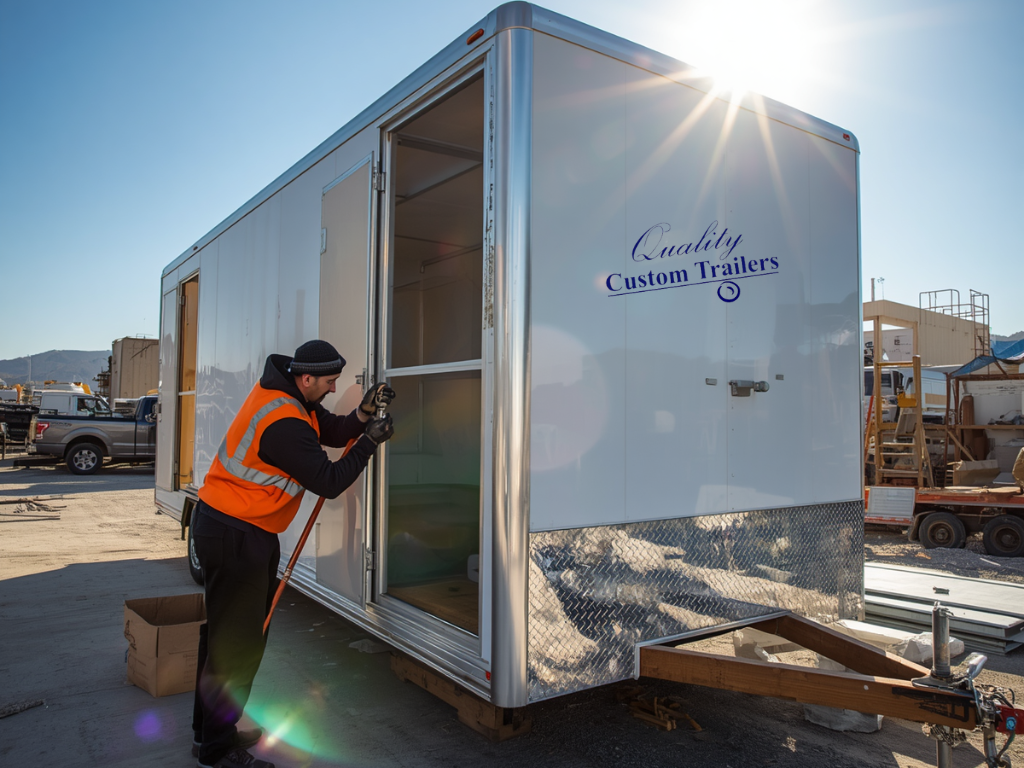
Contact a builder before finalising the layout when payload, access or towing compatibility remains unclear.
Early advice can prevent a design from becoming too heavy or difficult to use.
A clear enquiry also makes it easier for the company to prepare a meaningful quotation.
Ask for Advice Before Finalising the Design
Professional input is useful when the trailer will carry heavy or unusual equipment.
The builder may need to consider concentrated loads, ramps, tie-down points or special storage.
Advice also helps when the trailer must fit inside a garage or pass through narrow access.
Contact the builder early if you are unsure about axle arrangement, brakes or tow-vehicle compatibility.
Customisation should solve a real need. A builder can often suggest a simpler layout when an idea adds weight without improving daily use.
Provide Complete Details When Requesting a Quote
Explain what the trailer will carry and how it will be used.
Provide the dimensions and estimated weight of the main equipment. Include the make and model of the tow vehicle.
State whether you prefer an open, enclosed or mixed layout.
Mention doors, ramps, shelving, drawers, racks, lighting and security. Also include storage height or access limits.
When contacting Quality Custom Trailers, provide your expected payload, overall size and normal travel conditions. Ask the company to confirm design suitability, included components, compliance steps, price and expected build time [VERIFY].
The right custom trailer should make transport and work easier. It should carry the intended load safely and fit the towing vehicle.
Careful planning also reduces the chance of paying for features that do not improve everyday use. Compare the layout, loaded weight, specifications and builder support before placing an order.