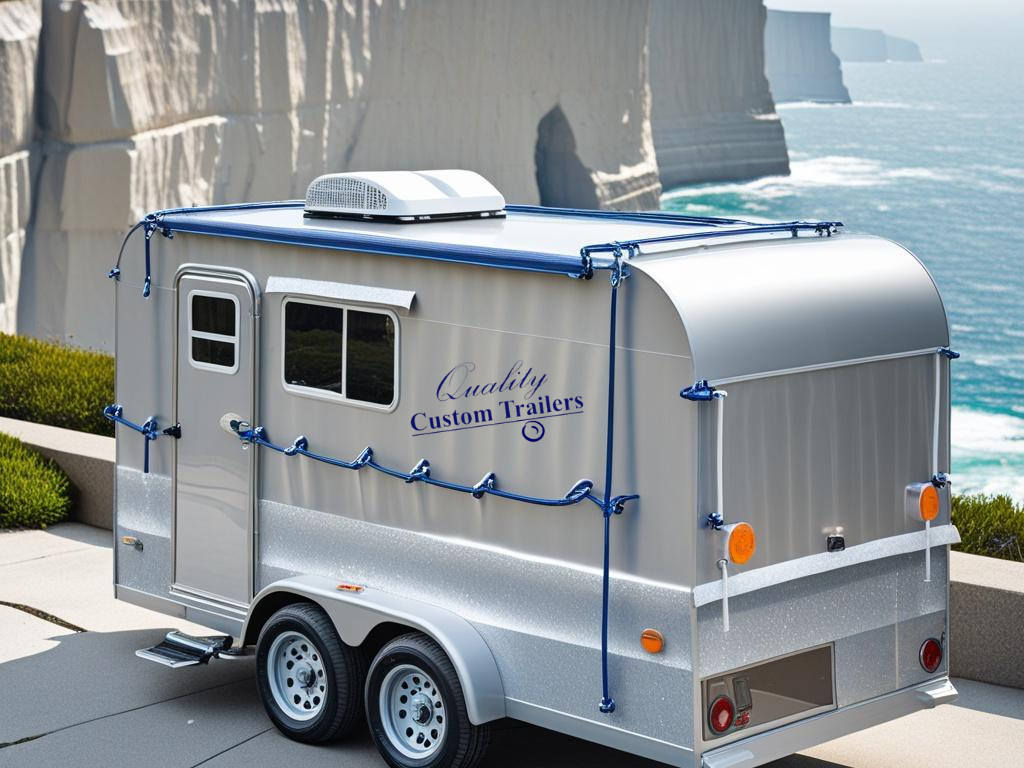
Custom made trailers are built to suit a specific purpose, load, trade, business, or transport need. Instead of choosing a standard trailer and adjusting your work around it, a custom trailer allows the layout, size, storage, access points, and features to be planned around how you actually use it.
This can be useful for trades, mobile businesses, landscaping, events, signage, equipment transport, food service, tool storage, recreational use, and general business operations. For many Australian buyers, the main goal is practical. They want a trailer that carries the right load, protects equipment, is easier to use, and supports daily work.
A custom build should start with the job the trailer needs to do. The best design is not always the biggest or most expensive option. It is the one that matches the load, towing vehicle, access needs, work routine, and legal requirements.
Why buyers choose a custom trailer
Buyers often choose a custom trailer because standard models do not always suit their exact work. A builder may need secure compartments for tools. A mower business may need ramps and equipment space. A mobile service provider may need shelving, power access, signage, and weather protection.
Customisation can also help improve organisation. Instead of loose tools, awkward loading, or wasted space, the trailer can be designed with compartments, tie-down points, racks, drawers, ramps, shelves, doors, or hatches.
For business owners, a custom trailer may also support branding. Trailer ads, sign panels, or a mobile display setup can help promote the business while the trailer is parked or travelling.
How custom builds differ from standard trailers
A standard trailer is usually built to a common size and layout. It may suit general transport, household use, or basic work needs. A custom trailer is planned around more specific requirements.
The difference may include the frame size, axle setup, load rating, body style, storage layout, door placement, ramp design, canopy height, ventilation, signage area, or internal fit-out. For example, custom enclosed trailers may be designed to keep tools, products, or equipment protected from weather and theft.
The value of a custom trailer comes from fit-for-purpose design. When the trailer is planned properly, it can make loading easier, reduce wasted space, improve security, and support the way the buyer works each day.
Common Trailer Types for Work and Business
Custom trailers can be built for many different uses. Some are simple open trailers with practical upgrades. Others are enclosed, branded, fitted out, or designed for a specific trade or mobile business.
Before choosing a trailer type, buyers should think about what they carry, how often they use the trailer, where it will be parked, how it will be loaded, and whether the contents need protection.
Open, enclosed, trade, and equipment trailers
Open trailers are often used for general transport, landscaping, building materials, machinery, green waste, and equipment. They can be practical when items are large, dirty, or easy to load from above or the side.
Trade trailers are usually designed for tools, materials, and daily work access. They may include toolboxes, shelving, ladder racks, lockable storage, ramps, compartments, and secure lids.
Equipment trailers may need stronger load capacity, tie-down points, ramps, reinforced floors, and suitable suspension. These details should be matched to the equipment being carried and the towing vehicle.
Custom enclosed trailers may be suitable when security, weather protection, branding, or mobile workspace is important. They can be useful for tools, merchandise, event gear, motorcycles, displays, mobile services, or specialist business setups.
Signage, mobile service, and advertising trailers
Some businesses use trailers as mobile marketing tools. Trailer ads can help promote a brand, product, event, or local service while the trailer is parked in high-visibility areas or used on the road.
A signage trailer or mobile display trailer may need a stable frame, clear panel areas, lighting, storage, locking points, and safe towing design. If the trailer will be used in public locations, the buyer should check local rules, advertising permissions, parking restrictions, and road safety requirements. These should be marked as [VERIFY] until confirmed with the correct authority.
Mobile service trailers may also need more planning. A food-related trailer, mobile workshop, event trailer, or service trailer may require ventilation, power, water, storage, access points, or other specialist features. Any health, council, electrical, gas, or business licensing requirement should be confirmed before ordering.
Key Design Choices Before You Order
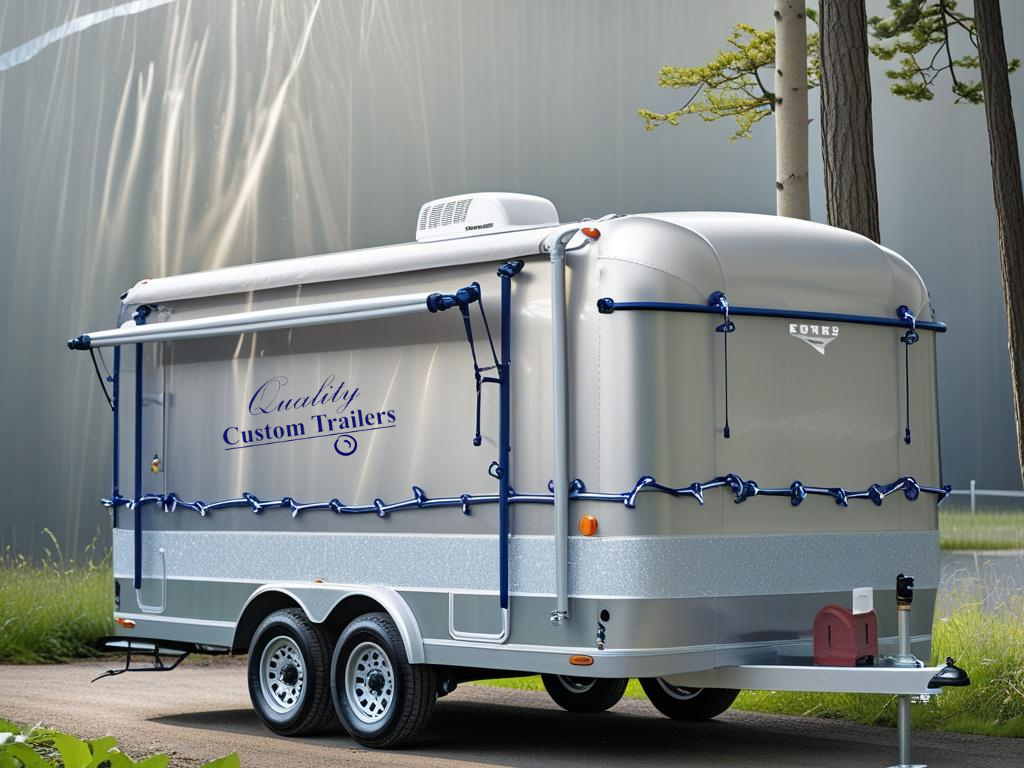
A good custom trailer design starts with practical details. The builder needs to understand what the trailer will carry, how it will be used, how often it will be towed, and what problems the buyer wants to solve.
Good planning can prevent common issues such as poor weight distribution, hard loading access, not enough storage, weak security, or a trailer that is too heavy for the towing vehicle.
Size, weight, access, and storage layout
Size should be based on the load, not guesswork. A trailer that is too small may become frustrating, while a trailer that is too large may be harder to tow, store, or manoeuvre. Buyers should measure the items they carry most often and allow space for safe loading and access.
Weight is also important. The trailer’s load rating, tare weight, aggregate trailer mass, and towing vehicle capacity should be checked before the design is approved. If the trailer will carry machinery, tools, stock, or heavy equipment, the builder needs accurate load details.
Access should match daily use. Side doors, rear ramps, lift-up lids, shelves, drawers, tie-down points, and compartments can all improve the way the trailer works. A good layout should reduce unnecessary lifting, make items easier to reach, and keep the trailer organised.
Materials, durability, and weather protection
The material and finish should suit the trailer’s purpose. Buyers may need to consider steel, galvanised finishes, aluminium, flooring material, wall lining, paint, powder coating, sealants, hinges, locks, and fasteners.
Durability matters in Australian conditions because trailers may face heat, rain, dust, rough worksites, long drives, and regular loading. Weather protection may be important for tools, stock, event gear, electrical equipment, or products that need to stay dry.
Security should also be planned early. Locks, enclosed storage, internal compartments, secure tie-downs, and lockable doors can help protect valuable equipment. If theft risk is high, the buyer should ask about suitable locking systems and insurance requirements.
Compliance, Safety, and Towing Requirements
Trailer design must consider safety and legal use. A trailer may look suitable, but it still needs to meet the relevant road use and registration requirements for its category.
In Australia, trailer compliance can involve weight ratings, lights, reflectors, brakes, coupling, safety chains, tyres, guards, VIN or identification details, and other requirements. Because rules can change and may depend on the trailer type, buyers should confirm details with the builder, registration authority, or qualified adviser.
Why ATM, brakes, lights, and coupling details matter
ATM, or aggregate trailer mass, is one of the most important details when choosing a trailer. It helps determine how the trailer is rated and what towing and braking requirements may apply.
Brakes, lights, coupling, safety chains, tyres, and suspension should be suited to the load and intended use. If these details are not planned properly, the trailer may be unsafe, difficult to register, or unsuitable for the towing vehicle.
Buyers should also check whether their vehicle can tow the loaded trailer. The towing capacity, towball download, load distribution, and brake requirements should be reviewed before the trailer is built. Any technical or legal detail should be marked as [VERIFY] until confirmed.
What to confirm before road use
Before using a custom trailer on the road, buyers should confirm registration requirements, compliance plate details, VIN or identification requirements, lighting, reflectors, brakes, coupling, chain rating, tyre suitability, and load limits.
The buyer should also ask for documentation where relevant. This may include build specifications, invoice details, compliance information, warranty terms, and maintenance guidance.
Safe use does not end after purchase. The trailer should be checked regularly for tyre condition, lights, coupling wear, brake performance, wheel bearings, locks, hinges, rust, and structural damage. This is especially important for work trailers that are used every day.
How to Compare Custom Trailers for Sale
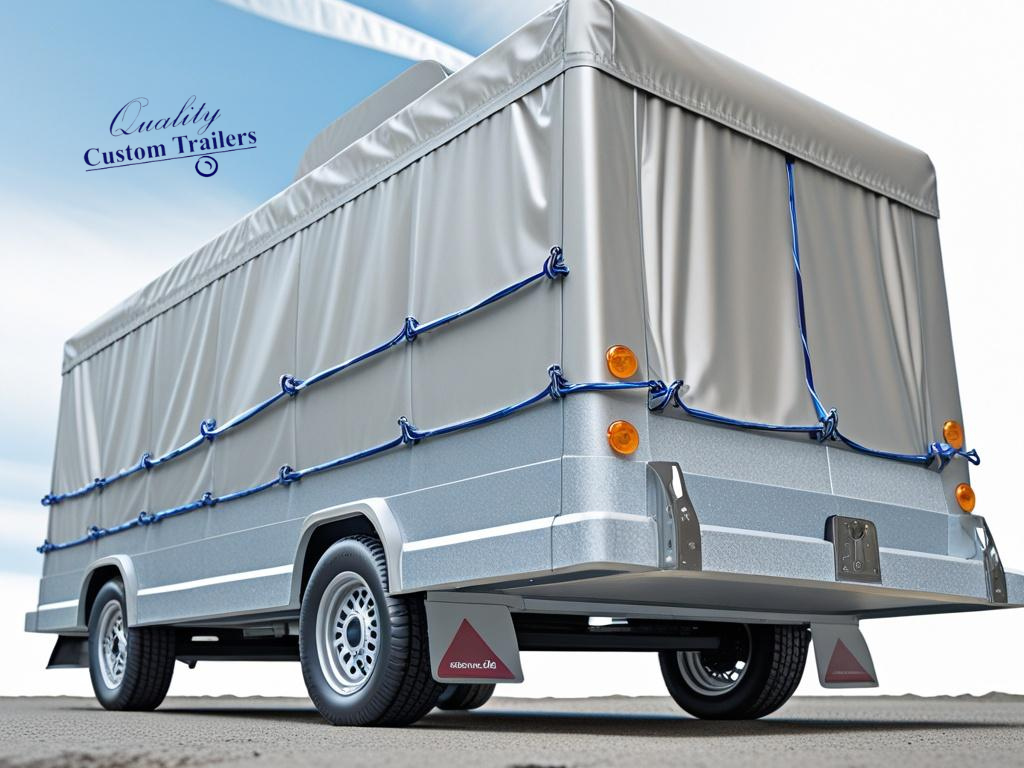
When comparing custom trailers for sale, buyers should look beyond the advertised price. A cheaper trailer may not be the better option if it does not suit the load, lacks useful storage, uses unsuitable materials, or needs costly changes later.
A practical comparison should include design suitability, build quality, compliance, warranty, materials, finish, lead time, after-sales support, and the builder’s ability to understand the intended use.
What to check when comparing suppliers
When searching custom trailers near me, it is useful to check whether the supplier builds trailers for your type of work. A builder experienced with trade trailers may understand shelving and tool access. A builder experienced with enclosed trailers may better understand weather protection, ventilation, and internal layout.
Buyers should ask about build materials, chassis design, axle setup, brakes, suspension, ramps, doors, locking systems, finishes, and warranty. They should also ask whether the builder can explain the trailer’s weight rating and road use requirements in plain English.
It is also helpful to view photos of similar builds, inspect available trailers, or discuss past design types. If a supplier makes strong claims about strength, load capacity, or compliance, those details should be confirmed and marked as [VERIFY] until properly supported.
When a custom enclosed trailer may be better
Custom enclosed trailers may be better when the load needs protection, security, or a clean business presentation. They are often considered for trades, events, motorcycles, tools, mobile services, stock transport, and display use.
An enclosed trailer can protect items from rain, dust, sun, and casual theft. It can also provide space for branding, signage, and internal organisation. However, enclosed trailers may be heavier and may need careful planning for ventilation, access, lighting, and weight distribution.
The right choice depends on the work. If the trailer carries loose materials, an open design may be more practical. If it carries valuable tools or customer-facing equipment, an enclosed design may be worth considering.
How to Choose the Right Trailer Builder
Choosing the right trailer builder is one of the most important parts of the process. A good builder should ask practical questions, explain design options, and help you avoid a trailer that looks good but does not work well in daily use.
The builder should also be clear about what is included, what is optional, what needs confirmation, and what may affect cost or lead time.
Questions to ask before requesting a quote
Before requesting a quote, ask whether the builder can design around your load, towing vehicle, storage needs, and work routine. Ask what information they need, what materials they recommend, what compliance details apply, and whether they can explain the best trailer type for your use.
It is also useful to ask about lead times, warranty, after-sales support, repair options, registration guidance, and optional extras such as ramps, toolboxes, shelves, internal lighting, tie-down points, lockable compartments, signage panels, or spare wheel mounts.
A reliable quote should be based on clear requirements. If the design is still vague, the builder may only be able to provide an estimate until the final size, features, and materials are confirmed.
When to contact Quality Custom Trailers
Quality Custom Trailers may be useful to contact when you need custom made trailers for trade work, business transport, advertising, enclosed storage, mobile services, or practical equipment carrying. Their website lists custom sign and advertising trailers, custom box trailers, bike trailers, flat top trailers, food trailers, and mower trailers, so buyers can use those categories as a starting point when asking about suitable options.
This may be helpful if you are comparing a custom trailer with standard trailer options and need guidance on size, layout, storage, access, and practical use. It may also be useful if you are looking for unique custom trailers that need a specific configuration rather than a basic off-the-shelf model.
When contacting Quality Custom Trailers, provide clear details about what you need to carry, how often you will use the trailer, where it will be towed, your towing vehicle, preferred size, storage needs, access requirements, and any branding or signage plans. This helps the team discuss a more suitable design.
Preparing Your Trailer Brief
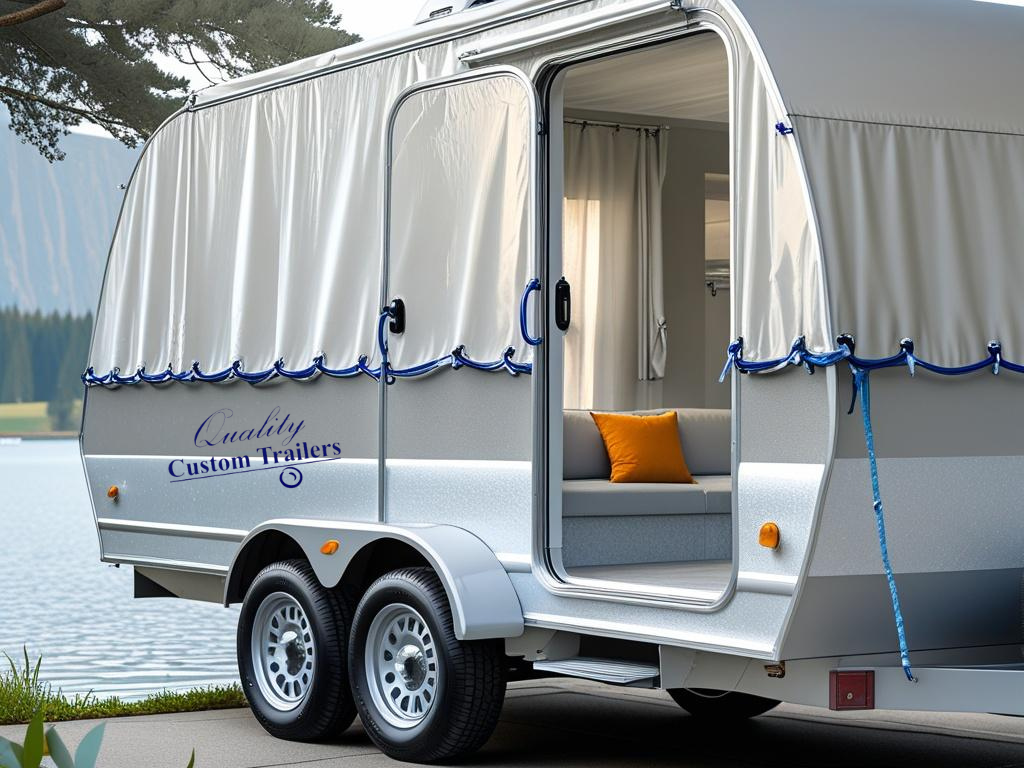
A clear trailer brief helps the builder quote more accurately and recommend better options. It also reduces the risk of changes once fabrication has started.
Even if you are still exploring ideas, it is worth preparing basic information before speaking with a builder. The more specific you can be, the easier it is to compare designs and prices.
What details help the builder quote accurately
Start with the trailer’s main purpose. Explain whether it will carry tools, machinery, stock, signage, food equipment, motorcycles, landscaping gear, event materials, or general cargo.
Then provide measurements, estimated load weights, towing vehicle details, preferred trailer size, storage needs, ramp or door requirements, security needs, finish preferences, and any branding or trailer ads you want to include.
If the trailer needs to meet council, business, road use, food service, electrical, gas, or insurance requirements, mention this early and mark it as [VERIFY]. The builder may be able to guide the design, but the buyer should confirm legal or specialist requirements with the correct authority.
How clear planning helps avoid costly changes
Clear planning helps avoid expensive changes later. For example, if shelves are added after the trailer is built, they may affect weight distribution. If the trailer is made too small, the buyer may need to compromise on storage. If the door is placed in the wrong position, daily access may become frustrating.
Good planning also helps compare quotes fairly. Two trailers may look similar, but one may include stronger materials, better storage, useful access points, or more suitable finishes.
Custom made trailers work best when the design is based on real use. By thinking carefully about load, layout, access, safety, compliance, and future needs, buyers can choose a trailer that supports their work instead of creating new problems.