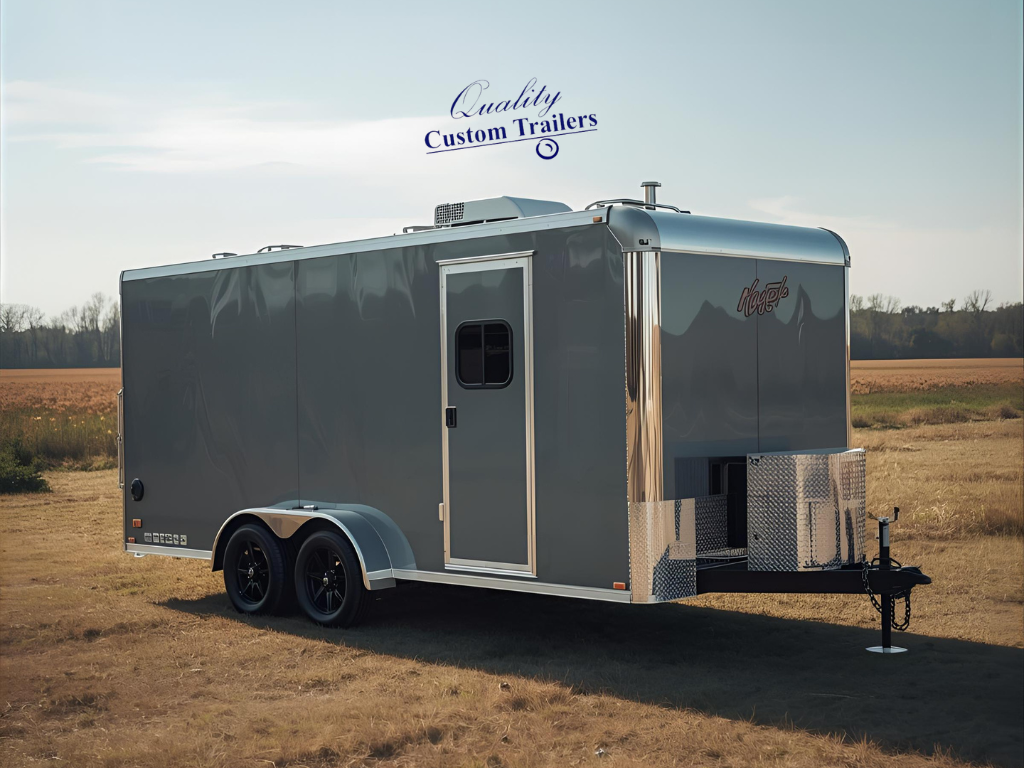
Choosing the right custom trailers for sale is about more than finding something that looks strong or fits your budget. A trailer needs to suit the way you plan to use it, the load you need to carry, the towing vehicle you own, and the conditions it will face.
Some buyers need a trailer for work tools. Others need one for bikes, motorbikes, equipment, stock, events, camping gear, landscaping jobs, or mobile business use. A custom trailer can be designed around these needs, which makes it more practical than a one-size-fits-all option.
Before you buy, it helps to think carefully about the real job the trailer must do. This makes it easier to compare features, ask better questions, and avoid costly changes later.
Match the trailer to real use
Start by listing what the trailer will carry. Think about the size, weight, shape, and value of the load. Also think about how often the trailer will be used and whether it will travel on city roads, work sites, rural roads, or longer highway trips.
A trailer used once a month for garden waste will not need the same layout as a trailer used every day for trade tools. A trailer carrying motorbikes will need different access and restraint points from a trailer carrying boxes, signage, or event equipment.
This is why custom trailers can be useful. They allow the build to match the task instead of forcing the buyer to work around a standard design.
Avoid poor fit, wasted space, and unsafe towing
A poor trailer choice can create ongoing problems. The trailer may be too small, too heavy, difficult to load, hard to secure, or not suitable for the towing vehicle. Storage space may be in the wrong place. Ramps may be too steep. Tie-down points may not line up with the load.
Safety also matters. The trailer should be suitable for the load, road conditions, towing setup, and legal requirements. If a claim about load rating, braking, registration, or compliance is unclear, mark it as [VERIFY] and confirm it with the builder or the relevant authority.
Good planning at the start helps reduce risk and makes the trailer easier to use over time.
What Type of Custom Trailer Do You Need?
The right custom trailer depends on the job. A buyer carrying tools, machines, or stock may need a different setup from someone transporting bikes or motorbikes.
It helps to group your needs before speaking with a builder.
Work, trade, and business trailers
Business and trade trailers often need practical storage. This may include lockable toolboxes, shelving, enclosed compartments, ladder racks, side doors, rear access, signage panels, lighting, and weather protection.
A mobile service business may also need space for equipment, stock, power tools, cleaning gear, parts, or display items. If the trailer will be used every day, easy access becomes very important.
Custom enclosed trailers can be useful when tools or stock need better protection from weather, dust, and theft. They can also help keep equipment organised and easier to find during a busy workday.
Bike, motorbike, and lifestyle trailers
A custom bike trailer or custom motorbike trailers should be designed around safe loading, secure restraint, and easy transport.
Important features may include ramps, low loading height, wheel chocks, tie-down points, non-slip flooring, enclosed protection, storage for helmets or gear, and enough space to move around the bike safely.
For riders who travel often, an enclosed option may help protect the bike from weather, road debris, and unwanted attention. For occasional use, a simpler open trailer may be enough, depending on the bike and travel needs.
Which Features Should You Compare Before Buying?
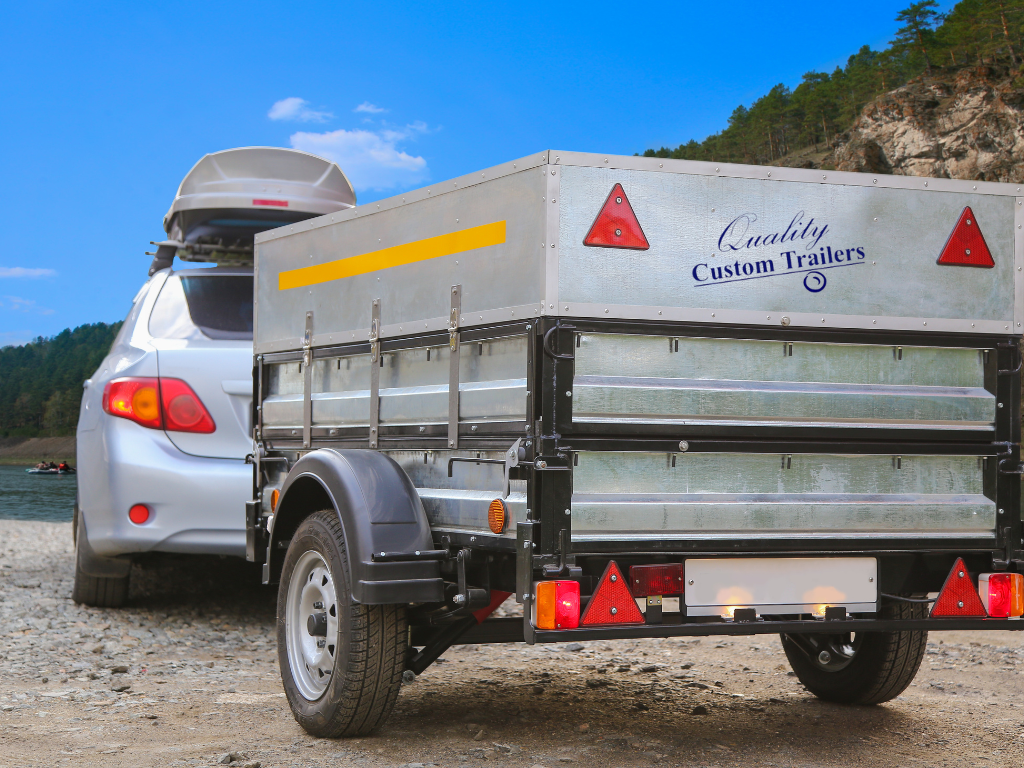
When comparing trailers, look at how each feature will help in daily use. Some features may look good on paper but may not be useful for your load or routine.
A practical trailer should make loading, towing, storing, and unloading easier.
Storage, access, and protection
Storage layout is one of the most important parts of a custom trailer. Think about what needs to be reached first, what needs to be locked away, and what must stay protected from rain, dust, or damage.
Useful features may include:
- Lockable toolboxes
- Side doors
- Rear ramps
- Shelving
- Tie-down points
- Internal lights
- Weather seals
- Ventilation
- Non-slip flooring
- Spare wheel mounts
Access is just as important as storage. A trailer may have enough room, but it can still be frustrating if the doors, ramps, or compartments are hard to use.
Axles, brakes, suspension, and towing setup
The trailer should match the load and towing vehicle. This includes the trailer weight, load capacity, axle setup, brakes, suspension, tyres, drawbar design, and coupling.
Ask the builder what setup suits your intended use. A trailer carrying heavier equipment may need a different axle and braking setup from a small trailer used for light loads. A trailer used on rougher roads may need stronger suspension and better clearance.
Always confirm towing limits with the vehicle manufacturer and check local registration or compliance requirements before finalising the build.
How Do You Compare Custom and Standard Trailers?
A standard trailer can be a good choice for simple tasks. However, a custom trailer may be better when the load, storage, access, or safety needs are more specific.
The right choice depends on how often the trailer will be used and how important the layout is to the job.
When a standard trailer may be enough
A standard trailer may suit simple hauling, occasional garden work, rubbish removal, basic furniture transport, or small weekend jobs.
It may also suit buyers who need a lower-cost option and do not require special storage, enclosed protection, ramps, or tailored dimensions.
However, buyers should still check size, condition, load capacity, brakes, tyres, lights, and registration requirements before buying.
When custom made trailers make more sense
Custom made trailers may be a better choice when the trailer needs to carry specific equipment or support repeated use.
This may include trade trailers, custom enclosed trailers, custom bike trailer designs, custom motorbike trailers, mobile business trailers, event trailers, or unique custom trailers built for unusual loads.
A custom trailer can help reduce loading time, improve organisation, protect valuable items, and make towing more practical. Over time, this can be more useful than trying to modify a standard trailer that was never designed for the job.
How to Choose the Right Product or Service
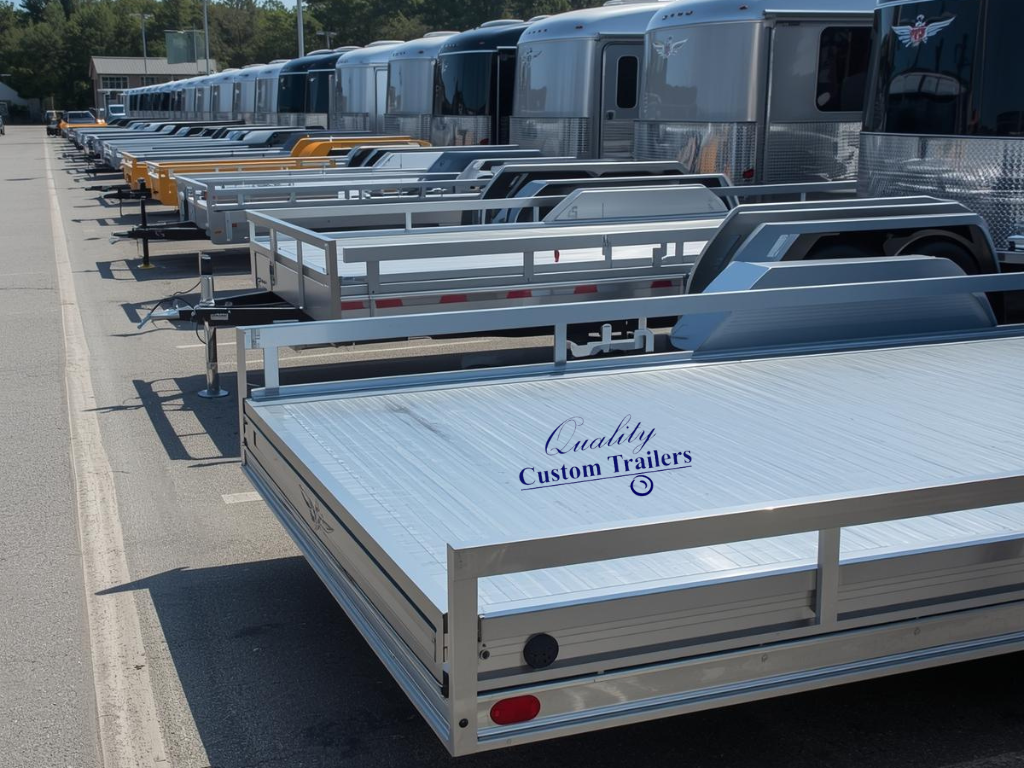
Choosing the right trailer builder is just as important as choosing the trailer design. A good builder should ask questions, explain options clearly, and help match the trailer to the buyer’s real use.
It is worth comparing more than one option before making a final decision.
Compare design advice, build quality, and support
When searching custom trailers near me, do not only compare price. Look at the builder’s process, materials, communication, design support, finish quality, warranty details, and willingness to discuss your load.
Useful questions include:
- What trailer size suits my load?
- What materials do you recommend?
- Should I choose open or enclosed?
- What ramp style is best?
- Where should tie-down points go?
- What axle and brake setup is suitable?
- Can the trailer be built for future changes?
- What information do you need for a quote?
- What is included in the price?
- What after-sales support is available?
Clear answers can help you compare builders more fairly.
When a local custom trailer builder can help
Quality Custom Trailers may be useful to consider when buyers are comparing custom trailers for sale, custom trailer designs, custom made trailers, custom enclosed trailers, custom bike trailer options, custom motorbike trailers, and unique custom trailers.
This can help when the buyer wants a trailer built around real transport needs rather than a standard layout. A local builder can also help review measurements, access points, storage needs, ramp options, and towing details before the build starts.
The best result usually comes from a clear brief and honest advice.
What Mistakes Should Buyers Avoid?
Buying a trailer is a practical investment, so it is worth taking time to plan. Many problems happen when buyers focus only on the upfront price or forget to measure the load properly.
A little planning can make the trailer safer and easier to use.
Avoid choosing only by price
Price matters, but the cheapest option may not be the best long-term choice. A lower quote may not include the right materials, storage layout, finish, brakes, ramp design, security features, or support.
It is better to compare value. Look at build quality, fit for purpose, ease of use, safety features, durability, and whether the trailer can handle the work it is being built for.
A trailer that saves time and protects the load may be better value over the long term.
Avoid ordering before planning the load
Before ordering, measure the items the trailer will carry. Check length, width, height, weight, loading angle, and tie-down points.
Also think about future use. Will you add more tools later? Will the trailer carry different bikes? Will it need shelves, a roof, signage, or extra doors? Will it need to fit in a garage or work yard?
These questions help avoid a trailer that works for today but becomes limiting later.
When Should You Contact the Company?

You should contact the company when your trailer needs are specific, when standard trailers do not suit the job, or when you need help turning an idea into a practical build.
A short conversation can help clarify what is possible before you commit.
When your trailer needs are specific
Contact the company if you need a trailer for motorbikes, bikes, trade tools, mobile business equipment, enclosed storage, event gear, worksite transport, or unusual loads.
You should also ask for help if you are unsure about size, ramps, doors, suspension, brakes, weight, or towing setup.
Be ready to explain what you need to carry, how often the trailer will be used, where it will travel, and what problems you want the trailer to solve.
When you are ready to move from idea to quote
Contact the company when you have enough details to start a quote. Useful information may include photos, measurements, load weight, towing vehicle details, storage needs, preferred features, budget range, and timeframe.
To finish, custom trailers for sale are best compared by purpose, not just price. By checking your load, towing needs, access, storage, safety features, and builder support, you can choose a trailer that works better for your real use and gives you more confidence on the road.